Detox Tennessee
Detox is the first step for many people seeking help. In Tennessee, 52 medical detox facilities are listed as offering withdrawal support. This guide explains levels of care, payments, and questions to ask.
- programs in Tennessee
- 52
- take Medicaid
- 35
- take private insurance
- 42
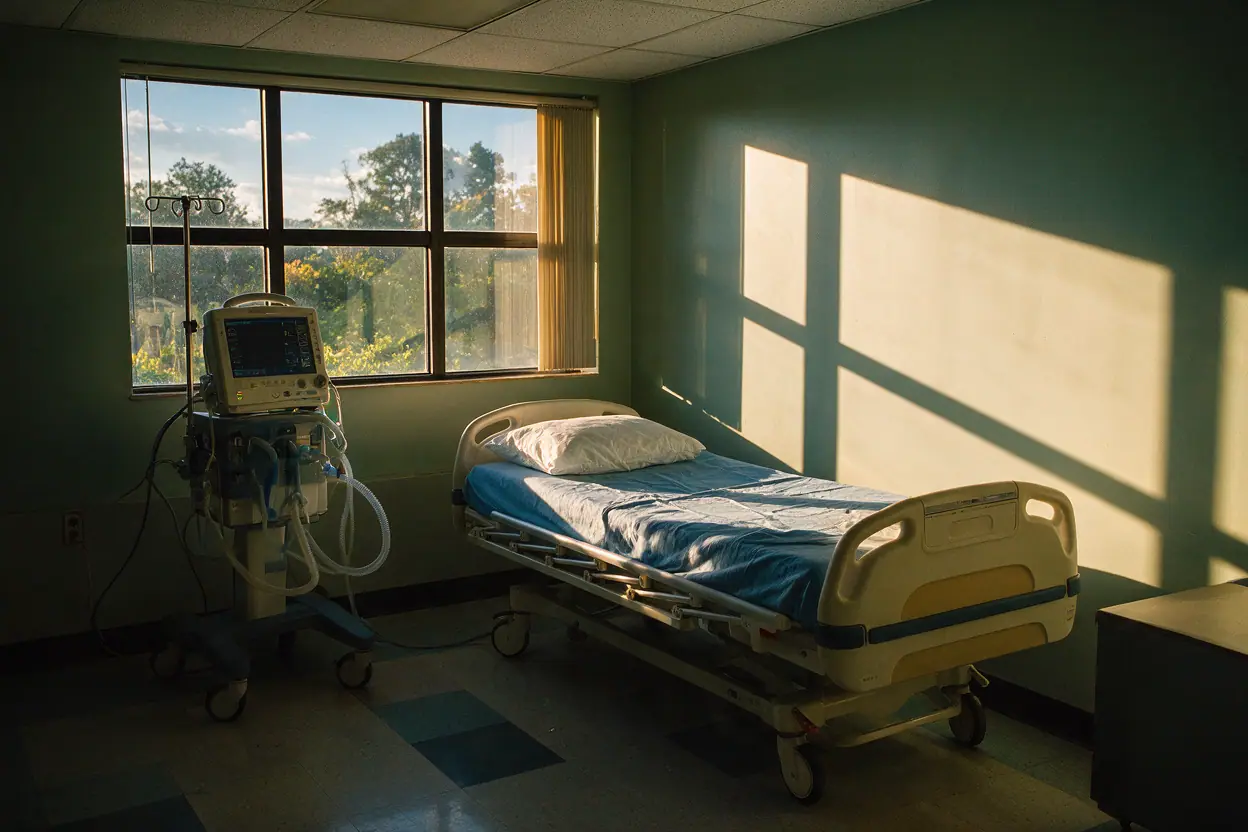
Medical detox is withdrawal management under medical supervision, typically in a hospital or residential setting. A day usually includes an initial assessment, around-the-clock monitoring of vital signs, and medication to ease withdrawal symptoms when appropriate. Staff may also provide meals, hydration, and emotional support. The length of stay varies by substance and individual health; some people need a few days, while others may need longer. Detox is not treatment by itself, but it prepares people for ongoing care such as residential rehab or outpatient programs.
In Tennessee, 52 facilities are listed as providing medical detox. Of these, 44 offer dual diagnosis services and 43 offer telehealth, according to SAMHSA FindTreatment.gov. A typical day involves nursing checks, counseling sessions, and planning for the next level of care. Visitors are often limited to protect privacy and focus on recovery. Staff will discuss aftercare options, including inpatient rehab or intensive outpatient programs, before discharge.
Who medical detox in Tennessee is for
- People with a substance use disorder who are at risk of dangerous withdrawal symptoms, such as from alcohol or benzodiazepines, need medical supervision during detox.
- Those who have tried to stop on their own and experienced severe discomfort or complications may benefit from a medically monitored detox program in Tennessee.
- Individuals with mental health needs alongside substance use may need a dual diagnosis program; 44 of the 52 detox facilities in Tennessee offer this.
- People who need a safe, structured environment to begin recovery and who want a clear plan for ongoing treatment after detox.

What to expect during detox in Tennessee
- 1
Assessment and intake
Medical staff talk with you about what substances are involved, your health history, and any symptoms you notice. They may run a physical exam and lab tests, and that information lets them build a safe detox plan. This step also helps confirm the program is a good fit.
- 2
Medical monitoring and support
Nurses and doctors monitor your vital signs and withdrawal symptoms. Medications may be given to ease discomfort, but only under medical supervision. The goal is to keep you safe and as comfortable as possible during this challenging time.
- 3
Counseling and planning
Staff will offer counseling and start planning your next steps. They may recommend inpatient rehab, outpatient programs, or medication-assisted treatment. You will discuss aftercare options and receive referrals to appropriate programs in Tennessee.
- 4
Discharge and aftercare
Before you leave, you will receive a discharge plan that includes follow-up appointments and community resources. Completing detox is a significant step, and continuing with treatment is important for long-term recovery. Staff can help connect you to ongoing support.

Paying for detox in Tennessee
What detox costs in Tennessee depends on which program you pick and how long you stay. Many facilities accept private insurance (42), Medicaid (35), or Medicare (21), and a few use sliding fees (19). As of October 2026, Tennessee has not expanded Medicaid under the Affordable Care Act, so the eligibility rules are tight. If you are uninsured ask about sliding-fee scales and state-funded options. Federal parity law means many insurance plans have to cover addiction care and behavioral health on the same terms as medical care, though you should confirm what your own plan says. A call to the helpline, which costs nothing, can help you sort through these choices.

Finding detox facilities in Tennessee
Across Tennessee, 52 facilities are listed as offering medical detox. These programs are spread across the state, with concentrations in urban areas such as Nashville, Memphis, Knoxville, and Chattanooga. When choosing a detox program, consider location, whether it offers dual diagnosis care (44 do), and whether it provides telehealth (43 do). Some programs may have specific eligibility criteria, so call ahead to confirm.
Payment options vary by program. Of the 52 detox facilities in Tennessee, 35 accept Medicaid, 42 accept private insurance, 21 accept Medicare, and 19 offer sliding fee scales. KFF reports that Tennessee had not adopted Medicaid expansion as of October 2026, so verify your eligibility carefully. If you have private insurance, ask about in-network coverage and whether prior authorization is required. For those who qualify, sliding fee scales can lower detox costs.
- take Medicaid
- 35
- take private insurance
- 42
- take Medicare
- 21
- have a sliding-scale fee
- 19
| Program | City | Services | Takes |
|---|---|---|---|
| Volunteer Behavioral Health | Cookeville | Detox, IOP, Outpatient | Medicaid, Medicare, Sliding fee |
| Jabbok Treatment Center | Adamsville | Detox, Outpatient | Sliding fee |
| Provive Wellness of Brentwood | Brentwood | Detox, PHP, IOP, Outpatient | Insurance, Sliding fee |
| Council for Alcohol/DA Servs Inc | Chattanooga | Detox, Residential, PHP, IOP, Outpatient | Medicaid, Insurance, Sliding fee |
| Iris Wellness Group | Chattanooga | Detox, PHP, IOP, Outpatient | Insurance |
| Apex Recovery | Columbia | Detox, Residential, PHP, IOP, Outpatient | Medicaid, Insurance |
| SolutionsRetreat Inc | Nashville | Detox, Residential | Insurance, Sliding fee |
| InSight Psychiatric Services PLC | Franklin | Detox, Outpatient | Medicaid, Medicare, Insurance |
| Compassionate Recovery Care | Hermitage | Detox, Outpatient | Medicaid, Medicare, Insurance |
| ReVida Recovery Chattanooga | Hixson | Detox, Outpatient | Medicaid, Medicare, Insurance |
Based on SAMHSA FindTreatment.gov data. Offerings and payment options shift; call to verify.
Questions people ask
How many detox facilities are in Tennessee?
There are 52 medical detox facilities listed in Tennessee on SAMHSA FindTreatment.gov. Of these, 44 offer dual diagnosis services and 43 offer telehealth. This means you have options across the state, though availability may vary by location.
Does insurance cover detox in Tennessee?
Many detox facilities in Tennessee accept private insurance (42), Medicaid (35), and Medicare (21). Some also offer sliding fee scales (19). Coverage depends on your plan, so contact the facility or call the helpline to verify benefits before you go.
How long does detox take in Tennessee?
The length of detox varies by substance and individual health. Most programs last a few days to a week, but some may require longer monitoring. Medical staff will determine the appropriate duration based on your withdrawal symptoms and overall condition.
Is detox Tennessee safe for alcohol withdrawal?
Alcohol withdrawal can be dangerous and even life-threatening without medical supervision. In Tennessee, medical detox programs provide 24/7 monitoring and medication when needed to manage symptoms safely. Never attempt to detox from alcohol alone; seek professional help.
What happens after detox in Tennessee?
After detox, you will receive a discharge plan with recommendations for ongoing treatment. This may include residential rehab, intensive outpatient programs (163 in Tennessee), or outpatient care (304). Continuing treatment is important for maintaining recovery.
Can I use Medicaid for detox in Tennessee?
Across Tennessee, 35 detox facilities take Medicaid. Still, as of October 2026, the state has not expanded Medicaid under the Affordable Care Act, which keeps eligibility limited. Check with the facility or the state Medicaid office to see whether you qualify.