Cumberland Heights Gallatin | Gallatin
Cumberland Heights Gallatin brings outpatient addiction care to Sumner County. It is one of 325 SAMHSA-listed facilities in Tennessee. Its intensive outpatient schedule runs four mornings or four evenings a week.
- Joint Commission
- Co-Occurring Mental Health
- Outpatient
- 28+ days
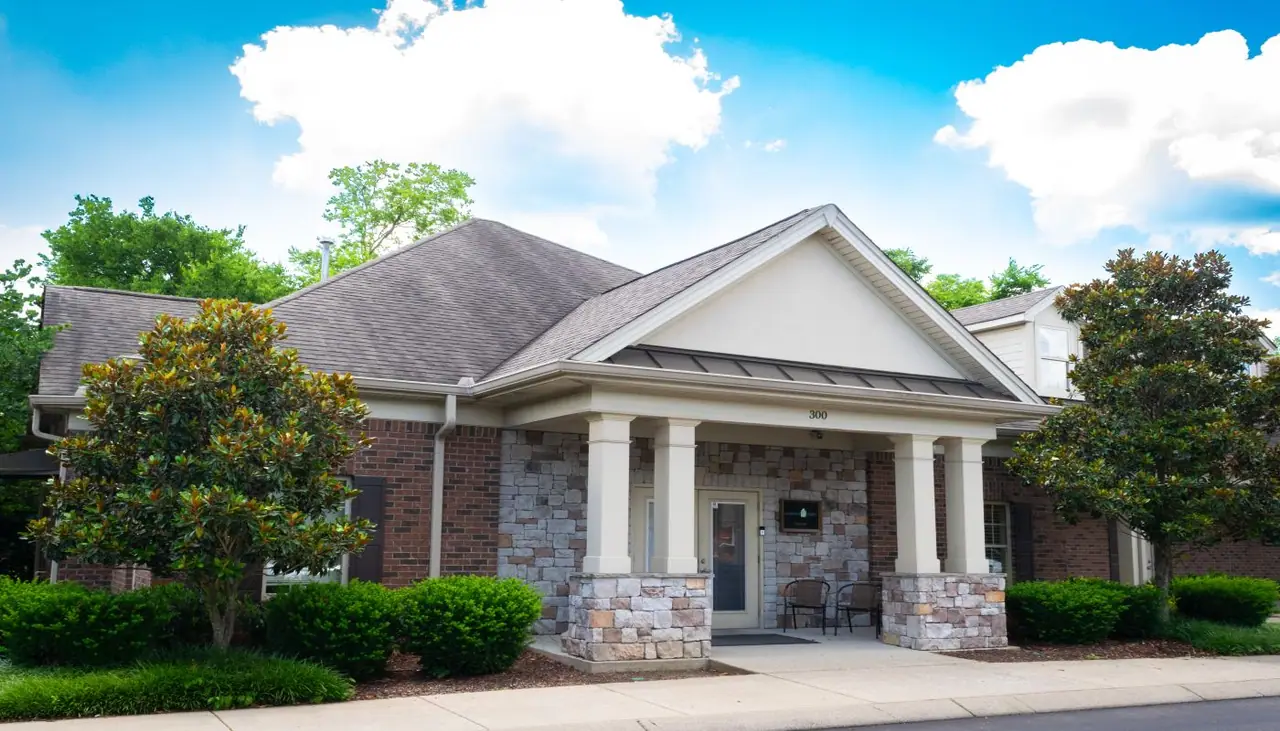

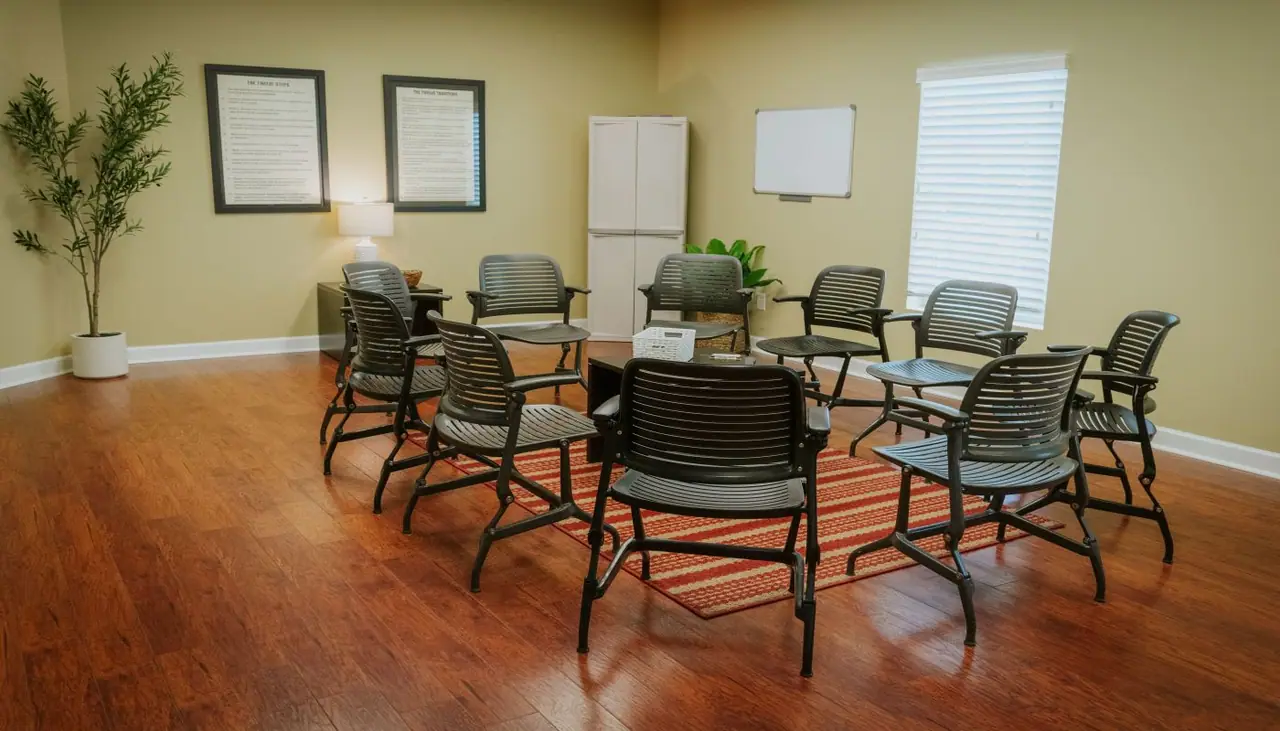
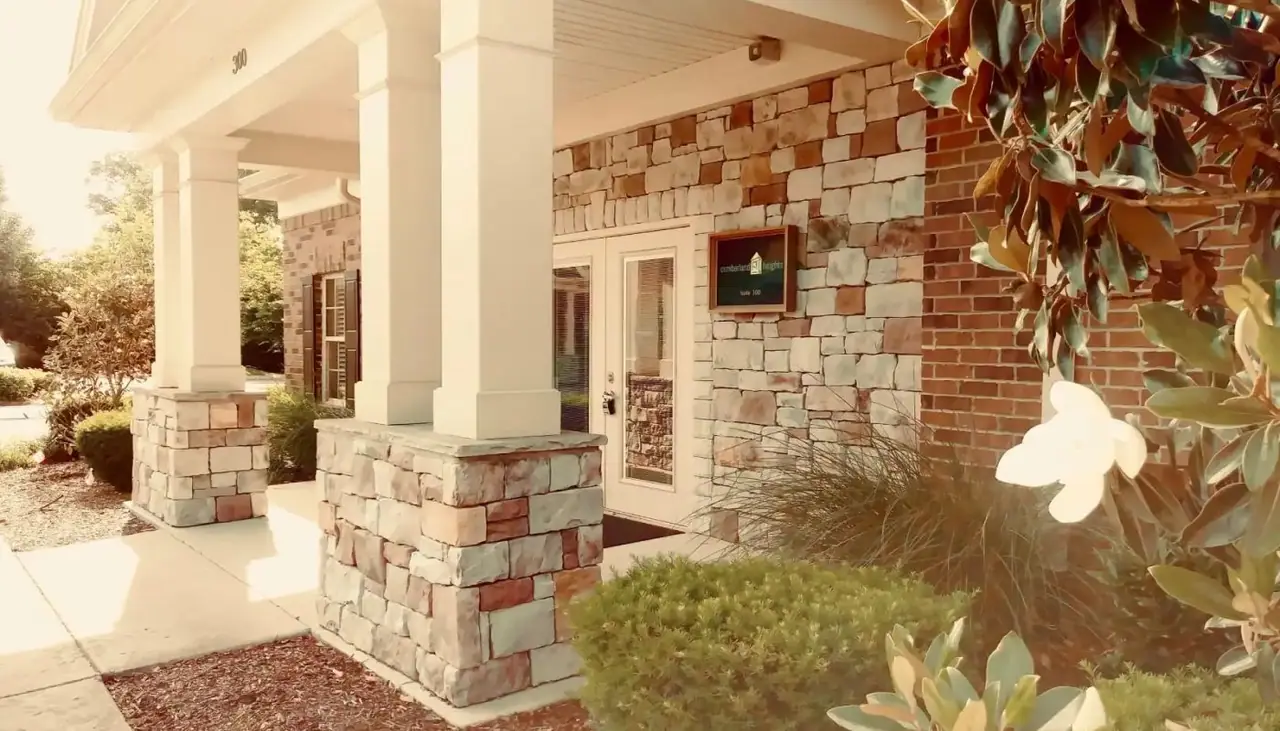
Cumberland Heights Gallatin operates as an outpatient branch of a Tennessee nonprofit that has provided addiction care since 1966. This Sumner County site, on Hunt Club Boulevard in Gallatin, is one of 15 outpatient locations the organization runs across the state. Adults who need structured treatment but can return home between sessions find weekday intensive outpatient groups here, along with family programming and 12-step meetings held through the week.
Clinicians here care for people with substance use disorders and mental health needs alongside substance use, treating both within a single plan instead of apart. The team draws on evidence-based methods, cognitive behavioral therapy and 12-step facilitation among them, and reshapes the combination for each person's situation. Adventure therapy and art therapy are experiential offerings that fill out the weekly schedule.
Cumberland Heights Gallatin appears in the SAMHSA FindTreatment.gov listings, and the location carries Joint Commission accreditation. A lot of people land on this page on behalf of a family member or friend, wanting to know how to get started. This guide's helpline is answered at all hours and helps families work through the options at no cost.
Programs at this Gallatin center
At the Gallatin location, the focus is intensive outpatient care for adults, with groups meeting Monday, Tuesday, Thursday, and Friday from 9 a.m. to noon and again 6 to 9 p.m. Family sessions are held Monday evenings and Friday mornings, and 12-step meetings are offered during the week. Clinicians draw on cognitive behavioral therapy, family therapy, group therapy, trauma-specific therapy, art therapy, adventure therapy, and spiritual care, each based on an evidence-based, personalized approach.
When someone is stepping down from a more intensive Tennessee rehab setting, the continuing care and relapse prevention planning here can support that transition. A typical stay runs 28 or more days. Twelve Step Facilitation is one named specialization, and the team treats alcohol use and co-occurring disorders as part of a whole person, not as separate problems.
- Cognitive Behavioral Therapy
- Family Therapy
- Personalized Treatment
- Holistic
- Group Therapy
- Trauma-Specific Therapy
- Adventure Therapy
- Evidence-Based
- Twelve Step Facilitation
- Twelve Step
Cumberland Heights Gallatin | Gallatin
- Adults with concerns about alcohol or drug use who are able to attend sessions while living at home
- Men and women whose mental health needs alongside substance use are treated alongside substance use
- People stepping down from a residential program who need continued structure
- Family members seeking education and support through the weekly family program
- Anyone who wants a 12-step based approach combined with clinical therapy
Program length and setting at this
Most people attend a Gallatin rehab program for at least 28 days, and services are delivered in English. Through SAMHSA listings, the Gallatin office has four photos on file, and the space features air-conditioned rooms and a recreation room. Since the schedule runs in morning and evening blocks, some people continue working or caring for family while they attend. Anyone who needs a residential setting first can ask about the organization's residential option or its immersion retreats.
How to pay for care here in Gallatin
Self pay rates are taken at the center, and the parent organization reports working with most major insurance plans. Coverage depends on your specific plan, the level of care recommended, and whether the program is in network, so verify benefits by phone before you assume a price. If preauthorization for intensive outpatient care is required by your plan, calling ahead can prevent a delay in starting. Calling this guide's 24/7 helpline is free and can help you check insurance and start that conversation.
What to raise ahead of entering care
- Does my insurance cover intensive outpatient care at this location, and what out-of-pocket cost will I have?
- How many weeks will my family member attend, and how is progress reviewed?
- Can both substance use and mental health needs be treated in the same plan?
- What does the schedule of continuing care and relapse prevention look like after discharge?
- Can we speak with someone about whether this level of care fits the assessment we received?

Further options to consider
-

Average stay duration 30+ days6-15 bedsNashville, TN
- Residential Rehab
This page explains what Integrative Life Center Men's Nashville offers families.
-

Average stay duration 30+ days31-50 bedsMemphis, TN
- Joint Commission
- Detox
- Co-Occurring Mental Health
The Oaks at Lakeside Memphis is a Joint Commission-accredited center in East Memphis.
-

Average stay duration 90 daysHendersonville, TN
- Joint Commission
- Detox
- Co-Occurring Mental Health
- Outpatient
Epiphany Tennessee Drug and Alcohol Rehab sits on Anderson Lane North in Hendersonville and is one of 325 SAMHSA-listed facilities across Tennessee.
-

Iris Wellness Group
5.0/513 Google reviews
Average stay duration 30 daysChattanooga, TN
- Co-Occurring Mental Health
- Outpatient
Iris Wellness Group Chattanooga runs an outpatient program located on Mountain Creek Road.
-

Average stay duration 120 day31-50 bedsPinson, TN
- Joint Commission
- Residential Rehab
- Outpatient
Youth Town Pinson works with teens and their families on a rural campus in Tennessee.
-
Tree House Recovery TN
4.9/557 Google reviews
Average stay duration 30 daysNashville, TN
- Joint Commission
- Co-Occurring Mental Health
- Outpatient
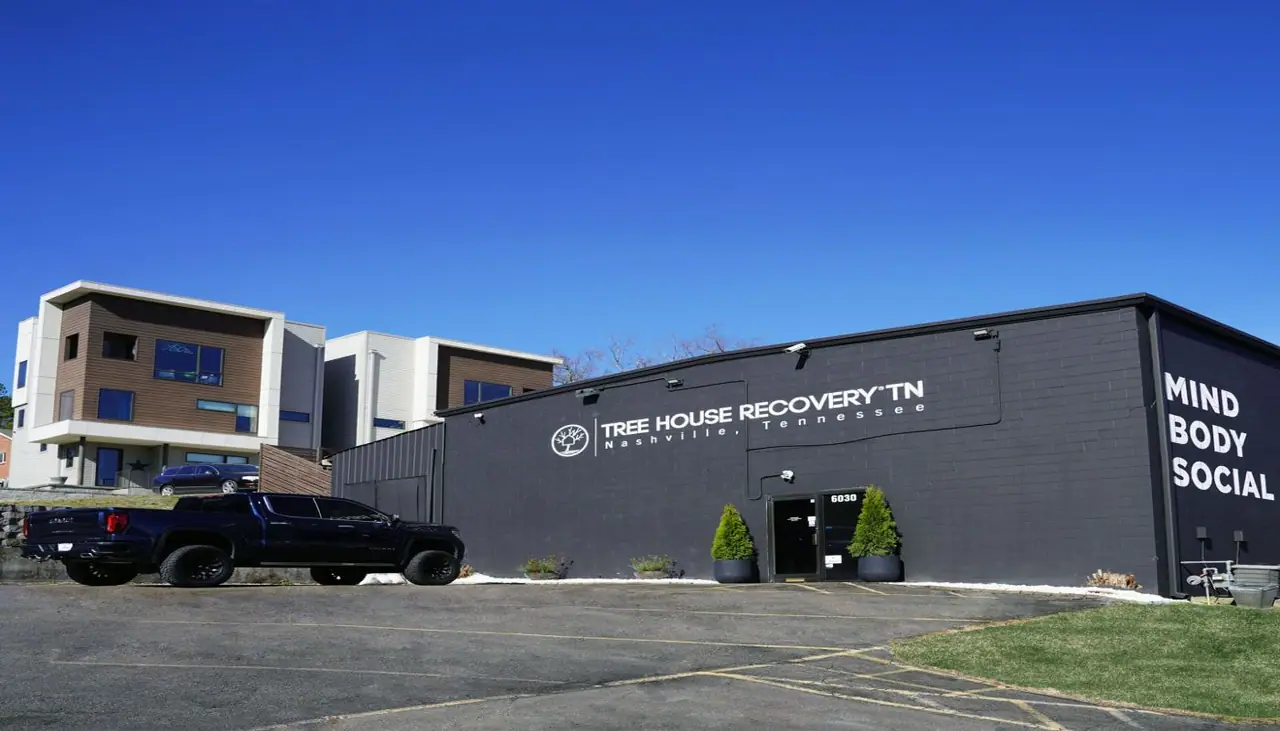
Tree House Recovery TN Nashville is an outpatient center for substance use along with co-occurring mental health.

Questions people ask
What is Cumberland Heights Gallatin and who does it serve?
This outpatient addiction treatment site in Gallatin, Tennessee, serves adults with concerns about alcohol or drug use, including mental health needs that appear alongside substance use. It is part of a nonprofit founded in 1966 and operates under Joint Commission accreditation. Services are provided in person in English, and intensive outpatient groups meet four mornings or evenings per week, plus family programming.
How long does treatment last at Cumberland Heights Gallatin?
A typical program lasts 28 days or more, depending on the person's needs and the level of care recommended. Intensive outpatient groups meet Monday, Tuesday, Thursday, and Friday, from 9 a.m. to noon and 6 to 9 p.m. Family sessions happen Monday evenings and Friday mornings. With two blocks in the schedule, some people continue working during treatment.
Does Cumberland Heights Gallatin accept insurance or Medicaid?
Cash pay rates appear on the site, and the parent organization says most major insurance plans are taken. What a plan actually covers hinges on the plan itself, the level of care, and whether the provider is in network, so confirm it by phone before committing. A helpline staffed around the clock can help you work through those questions at no charge. This guide does not sell treatment and makes no promise of coverage.
Is outpatient care at Cumberland Heights Gallatin suitable for someone who needs detox?
It depends on the situation. Coming off alcohol or some drugs can turn medically risky, so a clinician should evaluate whether monitoring is needed before outpatient groups start. Outpatient care fits people who are stable enough to live at home and attend sessions. If someone is not in that position, ask about residential care or other levels of support before an outpatient program begins.
What should I ask when I call Cumberland Heights Gallatin?
Find out if your insurance pays for intensive outpatient care, how the week is structured, and in what way progress gets reviewed. Check whether mental health needs that arise alongside substance use are handled within the same plan, and what continuing care exists once someone leaves. Because the usual program length is 28 days or more, ask too how attendance fits around work or family duties.