Cumberland Heights Knoxville-Farragut
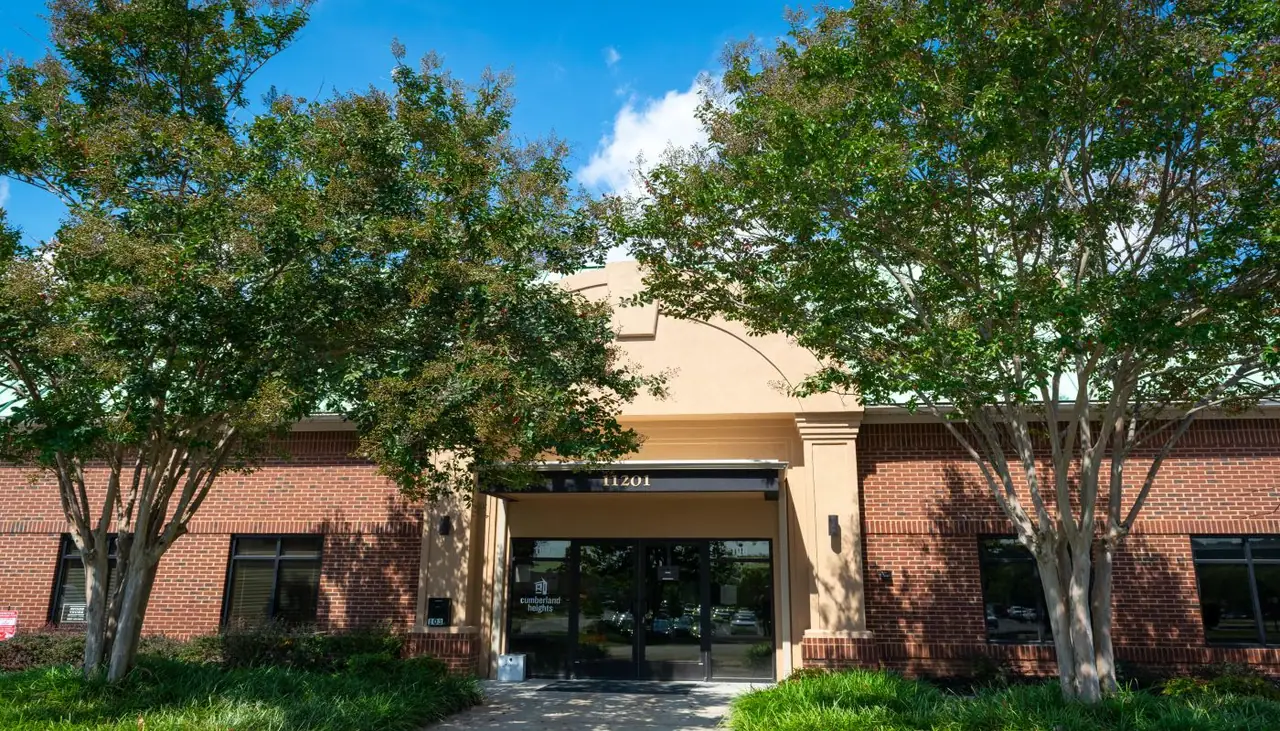
Cumberland Heights Knoxville-Farragut is an outpatient addiction treatment office located in Farragut. It is one of 325 SAMHSA-listed facilities in Tennessee. This page describes its programs, therapies, and payment information.
- Joint Commission
- Co-Occurring Mental Health
- Outpatient
- 28+ days
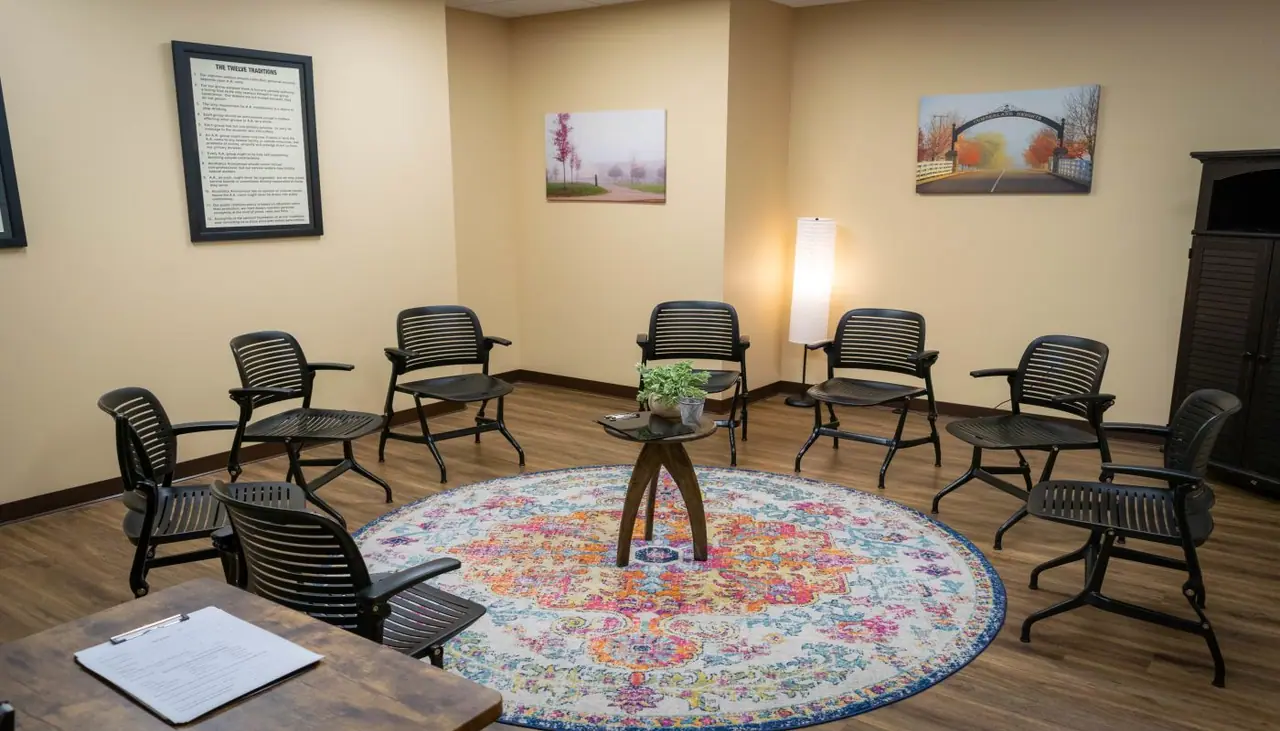
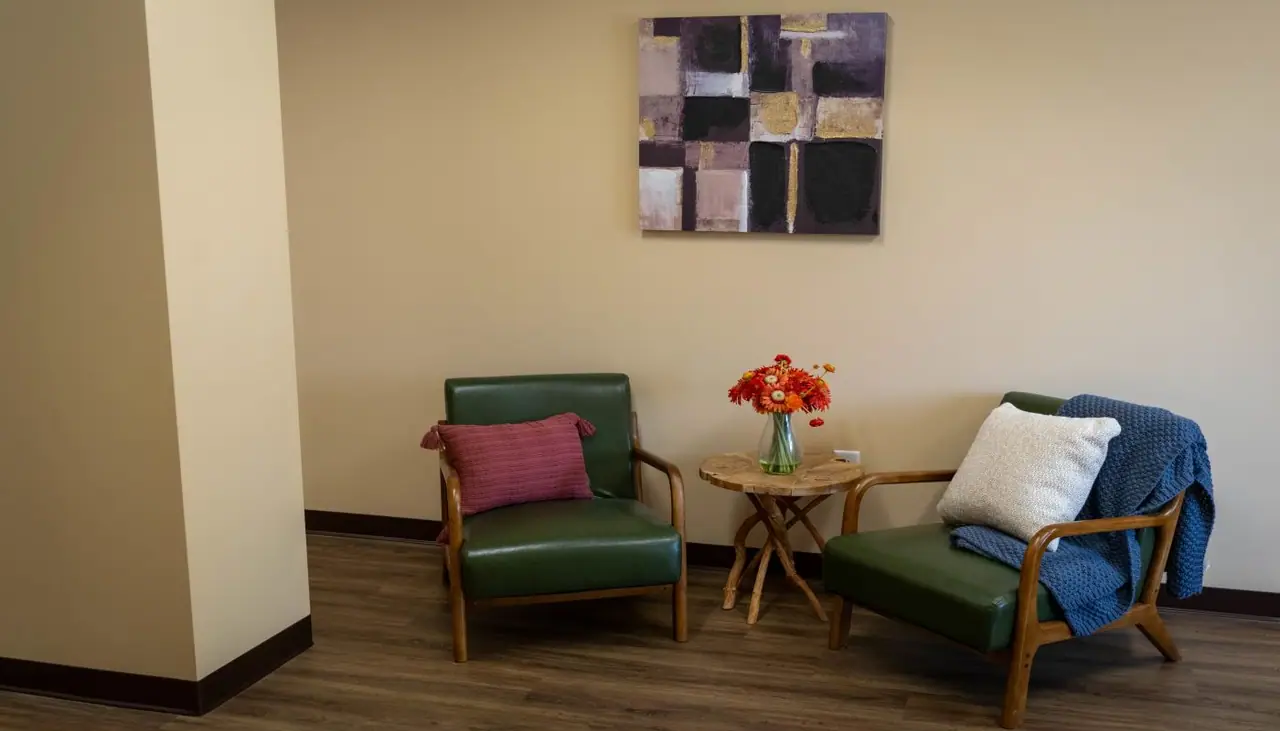
Cumberland Heights Knoxville-Farragut works with adults facing alcohol and drug problems, including people who are also managing a co-occurring mental health condition. The Farragut office delivers Twelve Step outpatient care, so counseling fits around jobs, school and family duties instead of requiring a live-in stay. A Joint Commission accreditation covers the center, and families can ask which services that covers.
The larger organization has served Tennessee since 1966, operating many outpatient sites and residential care for people who need more structure than a weekly visit. Plans are built individually, using research-supported methods rather than one fixed track. Anyone searching for drug rehab in Tennessee will find this Farragut office among the outpatient options, and our helpline remains independent of it: advisors can help you reach the office, ask about openings, and review insurance questions.
Cumberland Heights Knoxville-Farragut
Two care options are listed for the Farragut location: outpatient services and co-occurring mental health treatment. Twelve Step facilitation is among the approaches offered at this Farragut center, combined with individual counseling along with group and family work sessions. Cognitive behavioral therapy, art therapy, adventure therapy, trauma-specific therapy, and spiritual care round out the list, and an intensive outpatient program plus continuing care come after the opening phase.
Most people attend for 28 days or longer, though the schedule follows what the assessment recommends. Outpatient drug rehab in Tennessee lets people remain at home while going to counseling, which suits someone whose living situation is steady. When withdrawal risk looks high, a clinician should review it before sessions start, since quitting alcohol and benzodiazepines can become a medical risk without oversight.
- Art Therapy
- Twelve Step
- Cognitive Behavioral Therapy
- Spiritual Care
- Twelve Step Facilitation
- Adventure Therapy
- Trauma-Specific Therapy
- Family Therapy
- Group Therapy
- 1-on-1 Counseling
Who this Farragut program is built for
- Adults dealing with alcohol use
- Adults dealing with drug use
- People facing mental health needs together with substance use
- Men and women seeking Twelve Step support
- People who can attend outpatient care while living at home
- Those stepping down from residential care into continuing support
Program length and amenities in Farragut
Sessions typically run 28 or more days, and the Farragut site is an outpatient office rather than a residential building. Listed amenities are air-conditioned rooms and a recreation room, and services are delivered in English. For a Tennessee inpatient rehab program or a residential stay, families should ask about the organization's other sites, because a higher level of care may be needed when home life is not stable.
Paying for care at this Farragut center
This location publishes self-pay pricing, and the wider organization reports accepting most major insurance plans. Our records contain no dollar figures, so phone the Farragut office and find out what your plan covers before you commit. Should your plan's outpatient coverage go unconfirmed beforehand, you could end up paying charges you weren't anticipating; checking first counts here, since your share rests on your plan, your deductible, and whether the outpatient level of care gets approved.
What to raise ahead of entering care
- Which level of care will the assessment recommend, and how many sessions a week does it involve?
- Does the center accept my insurance and what will I owe once the deductible is met?
- In what ways does the program address mental health conditions occurring together with substance use?
- What happens if someone needs detox or residential care first, and where is that provided?
- What form does continuing care take once the first 28 or more days are over?

Further options to consider
-

Average stay duration 30+ days6-15 bedsNashville, TN
- Residential Rehab
This page explains what Integrative Life Center Men's Nashville offers families.
-

Average stay duration 30+ days31-50 bedsMemphis, TN
- Joint Commission
- Detox
- Co-Occurring Mental Health
The Oaks at Lakeside Memphis is a Joint Commission-accredited center in East Memphis.
-

Average stay duration 90 daysHendersonville, TN
- Joint Commission
- Detox
- Co-Occurring Mental Health
- Outpatient
Epiphany Tennessee Drug and Alcohol Rehab sits on Anderson Lane North in Hendersonville and is one of 325 SAMHSA-listed facilities across Tennessee.
-
Iris Wellness Group
5.0/513 Google reviews
Average stay duration 30 daysChattanooga, TN
- Co-Occurring Mental Health
- Outpatient
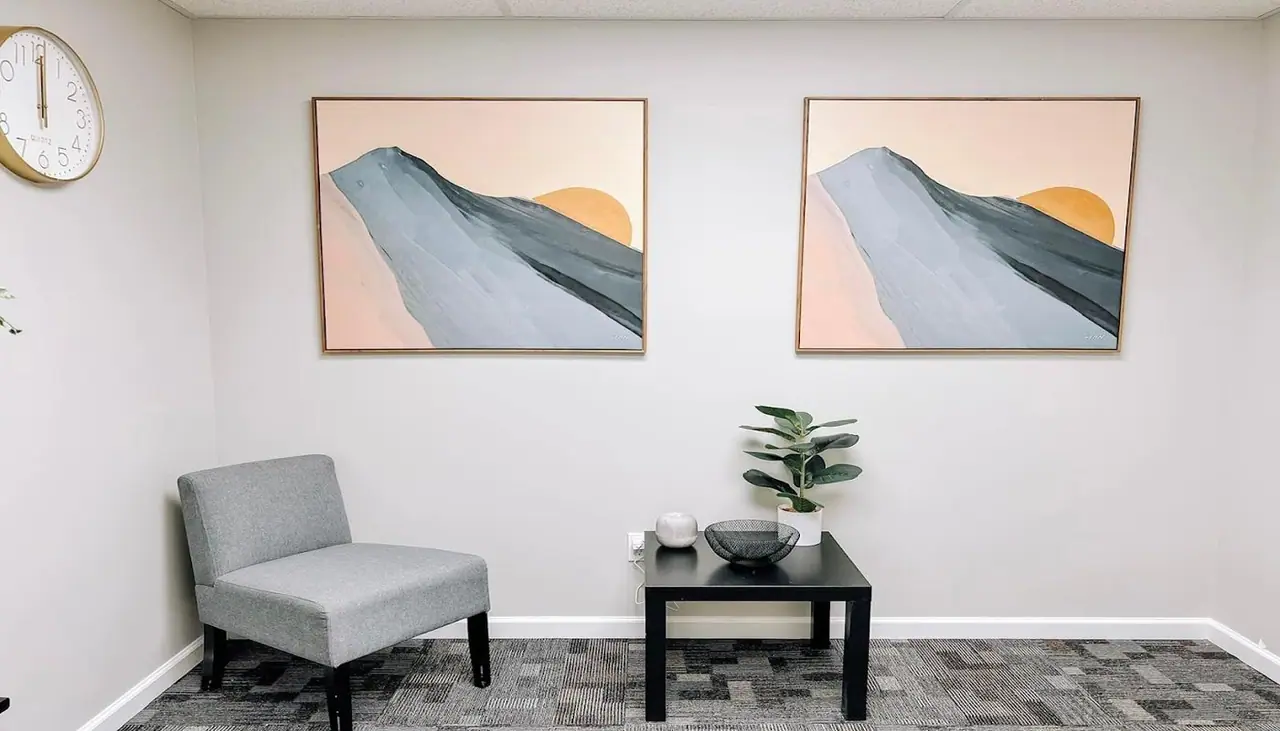
Iris Wellness Group Chattanooga runs an outpatient program located on Mountain Creek Road.
-

Average stay duration 120 day31-50 bedsPinson, TN
- Joint Commission
- Residential Rehab
- Outpatient
Youth Town Pinson works with teens and their families on a rural campus in Tennessee.
-
Tree House Recovery TN
4.9/557 Google reviews
Average stay duration 30 daysNashville, TN
- Joint Commission
- Co-Occurring Mental Health
- Outpatient
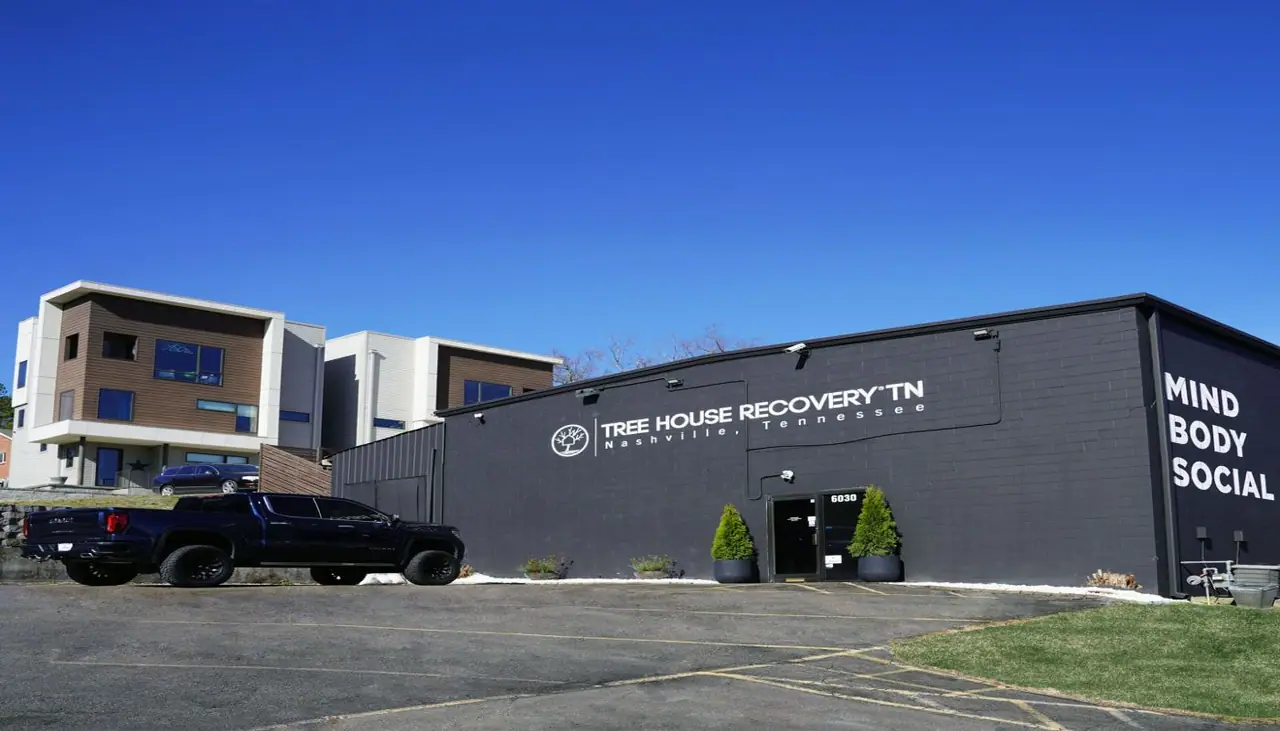
Tree House Recovery TN Nashville is an outpatient center for substance use along with co-occurring mental health.

Questions people ask
How does Cumberland Heights Knoxville-Farragut treat addiction?
Adults can receive Twelve Step outpatient care there, together with co-occurring mental health treatment, typically lasting 28 days or longer. The therapy menu covers individual counseling, cognitive behavioral therapy, art therapy, adventure therapy, family therapy, trauma-specific therapy and spiritual care. After that first phase come an intensive outpatient program and continuing care. Phone the office to learn which services suit your circumstances.
Are all rehabs inpatient, or is outpatient available in Farragut?
No, not all treatment is residential, and this Farragut location is listed as outpatient. Among 325 SAMHSA-listed facilities in Tennessee, many offer outpatient care that lets people keep living at home. Outpatient suits someone with a steady home environment; if home isn't stable or withdrawal risk is high, then ask about residential options and a clinical assessment first.
Which insurance questions should I raise before treatment begins?
Find out if your particular plan is taken, what level of care it covers and the amount you'd owe once deductibles are met. The center posts cash pay rates, and the organization states it accepts most major insurance plans, though each case is confirmed individually. Ask for the answer in writing ahead of your first appointment so you aren't caught off guard.
How long do people usually spend in treatment here?
The typical length shown is 28 days or longer, and the assessment determines the exact schedule. For some people, a few weeks of intensive outpatient sessions are enough; others taper more slowly with continuing care, recovery coaching and support meetings. Ask the Farragut office how many weeks your own plan would probably take.
Can someone with a co-occurring diagnosis get help at this Farragut center?
Yes. Besides outpatient care, the Farragut office lists mental health needs alongside substance use as one of its two options. Treatment planning looks at the mental health condition together with the substance use together. If a person's symptoms are unstable, ask how the center coordinates care and whether a higher level of support ought to come first.
Does the center offer detox or residential care for heavy alcohol use?
Detox is not among the care options at the Farragut office, which is listed as outpatient only. The larger organization runs a residential program in another location, and families are welcome to ask about it. When someone drinks heavily or uses benzodiazepines and wants to quit, clinical supervision should guide that process, since withdrawal from either can be dangerous.