Cornerstone of Recovery Louisville
Cornerstone of Recovery is a residential rehab center located in Louisville, Tennessee. It is one of 325 SAMHSA-listed facilities in the state. This page describes what the center offers so you can decide whether it suits your family's needs.
- Joint Commission
- Detox
- Co-Occurring Mental Health
- Outpatient
- 90 days


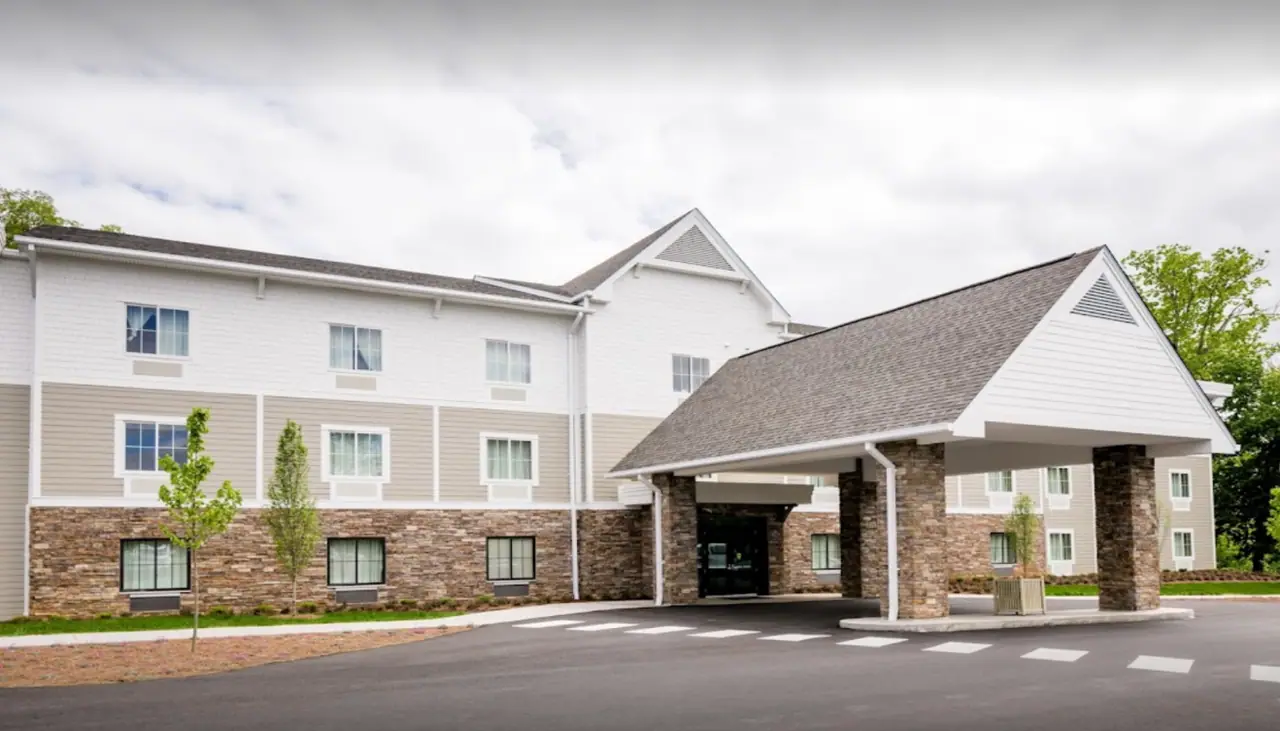
Cornerstone of Recovery has provided care since 1989 at a wooded campus a short distance south of Knoxville. In its own description, the center is a close-knit community where adults set aside everyday pressures and concentrate on stopping drug and alcohol use. Detox is medically supervised, and every person's plan reflects their own history and needs.
Methods grounded in research sit alongside hands-on experiences, and medication-assisted treatment is added when it fits. Guidance drawn from the Twelve Steps is offered too. The center describes its work as tending to bodily health, emotional health, spiritual development, and the everyday habits of living all at once, not one at a time. Loved ones take part through family sessions, which give them a clear framework for following what happens and for talking with each other more openly.
Cornerstone of Recovery Louisville
Along with a residential program, the center's care options include detox, outpatient services, and mental health needs that coexist with substance use. Therapy covers individual counseling, cognitive behavioral therapy, EMDR, art therapy, adventure therapy, experiential therapy, meditation and trauma-focused work. A clinical psychologist is available for one-on-one sessions.
Adults at Cornerstone of Recovery in Louisville, Tennessee, receive a mix of proven clinical methods and hands-on experiences over a 90-day stay. Certified instructors lead groups and physical pursuits, including ropes courses, yoga and fitness, and according to the center, its therapeutic recreation specialists run outdoor challenges that foster confidence and cooperation. When weighing care at this level, it is worth asking how the program shifts for a person moving from detox into outpatient services.
- Experiential Therapy
- Evidence-Based
- Medical
- Meditation & Mindfulness
- Individual Treatment
- Twelve Step
- Cognitive Behavioral Therapy
- 1-on-1 Counseling with Clinical Psychologist
- Adventure Therapy
- Art Therapy
Who the Louisville program is built for
- Adult men and women, including young adults and veterans, who need residential care for drug or alcohol use.
- Adults with co-occurring conditions, for example depression, anxiety, bipolar disorder, PTSD, OCD, self-harm or codependency.
- Those who have experienced chronic relapse and want a longer, structured stay.
- Professionals and others who need to step away from work and home responsibilities for treatment.
- People who need medically supervised detox from alcohol, benzodiazepines or other substances before residential care.
Where you stay, how long, daily life
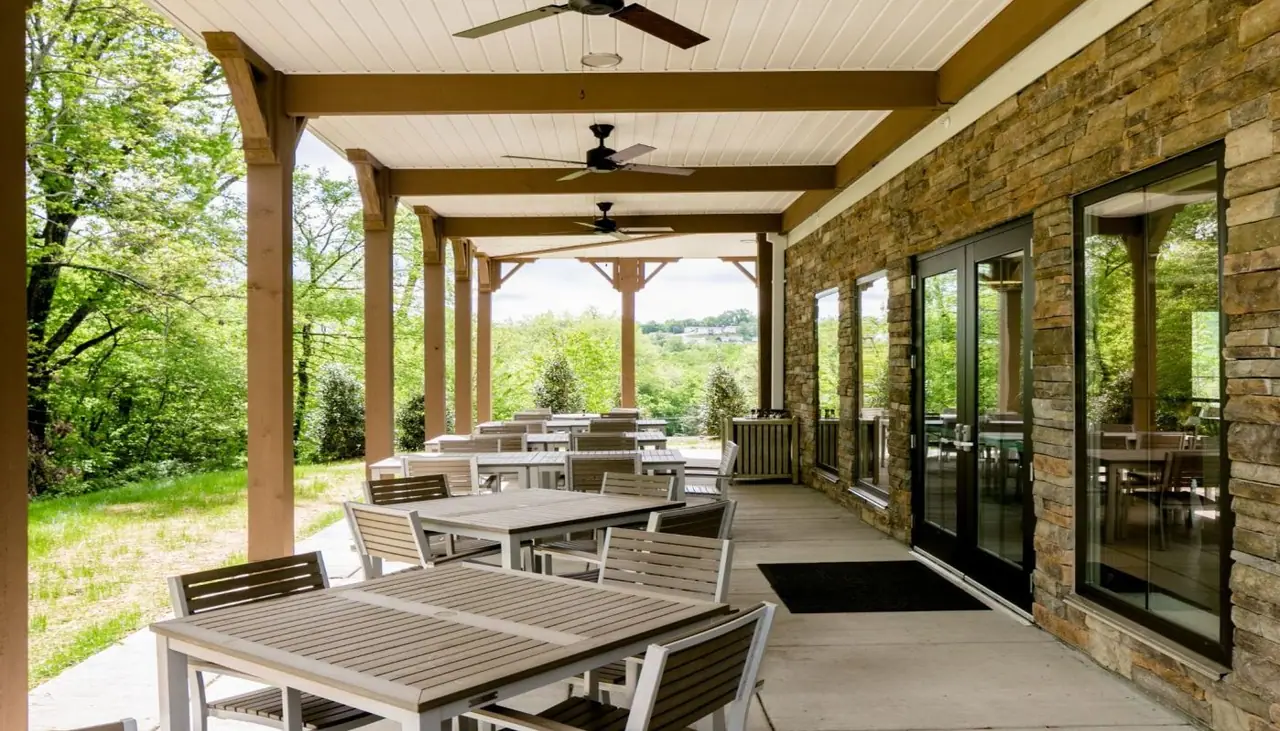
A typical stay runs about 90 days. The grounds span 24 acres, with the Great Smoky Mountains visible nearby. Among the amenities are a gymnasium of 15,000 square feet, tennis and basketball courts, gardens, a fitness center, a ropes course, and outdoor areas for lounging. Bedrooms come with air conditioning, may be private or shared, and each includes its own thermostat and a full-size bed. Food is prepared on site, and activities range from AA/NA meetings to yoga and exercise services are offered in english. If your loved one is coming from another state, plan for the full length of the stay so your family can arrange support at home.
- Kitchenette
- Basketball Court
- Fitness Center
- TV
- Gardens
- Outdoor Lounge
- Tennis Court
- Access to Nature
Ways people cover the cost of care
Self pay is among the payment options in the center's listing. The information available doesn't say whether insurance is accepted, so it's worth calling the center to ask about the plans it takes and what portion of the bill falls to you. If TennCare, the state's Medicaid program, is an option for you, ask whether the center participates. When you want coverage confirmed before making any commitment, the helpline can check availability and benefits at no cost to you.
Good questions for this center
- Does my insurance cover residential care at this center, and what would my own share of the cost be?
- Who oversees detox, and which staff members are present while someone is withdrawing?
- What does a typical 90-day stay look like, and can the length be adjusted?
- In what way does the program treat mental health conditions that co-occur alongside substance use?
- What continuing care and relapse prevention support are available after discharge?


Further options to consider
-

Average stay duration 30+ days6-15 bedsNashville, TN
- Residential Rehab
This page explains what Integrative Life Center Men's Nashville offers families.
-

Average stay duration 30+ days31-50 bedsMemphis, TN
- Joint Commission
- Detox
- Co-Occurring Mental Health
The Oaks at Lakeside Memphis is a Joint Commission-accredited center in East Memphis.
-
Average stay duration 90 daysHendersonville, TN
- Joint Commission
- Detox
- Co-Occurring Mental Health
- Outpatient
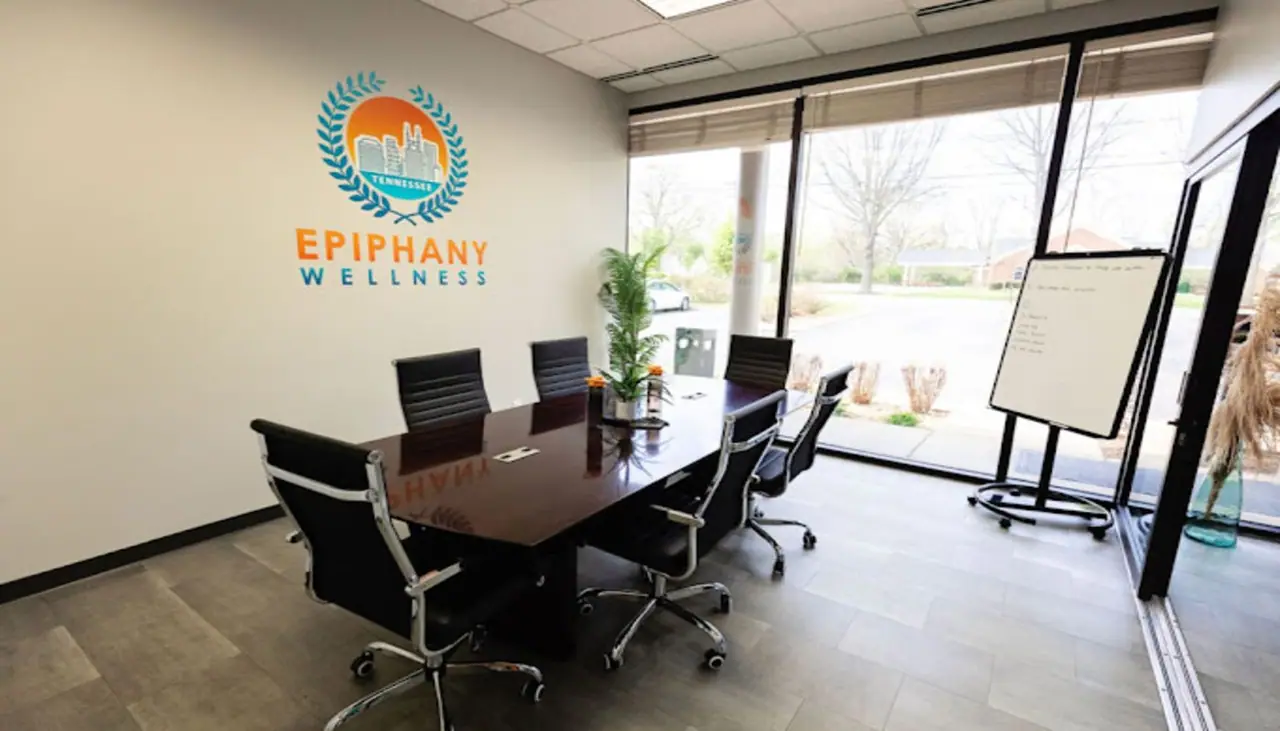
Epiphany Tennessee Drug and Alcohol Rehab sits on Anderson Lane North in Hendersonville and is one of 325 SAMHSA-listed facilities across Tennessee.
-
Iris Wellness Group
5.0/513 Google reviews
Average stay duration 30 daysChattanooga, TN
- Co-Occurring Mental Health
- Outpatient
Iris Wellness Group Chattanooga runs an outpatient program located on Mountain Creek Road.
-

Average stay duration 120 day31-50 bedsPinson, TN
- Joint Commission
- Residential Rehab
- Outpatient
Youth Town Pinson works with teens and their families on a rural campus in Tennessee.
-
Tree House Recovery TN
4.9/557 Google reviews
Average stay duration 30 daysNashville, TN
- Joint Commission
- Co-Occurring Mental Health
- Outpatient
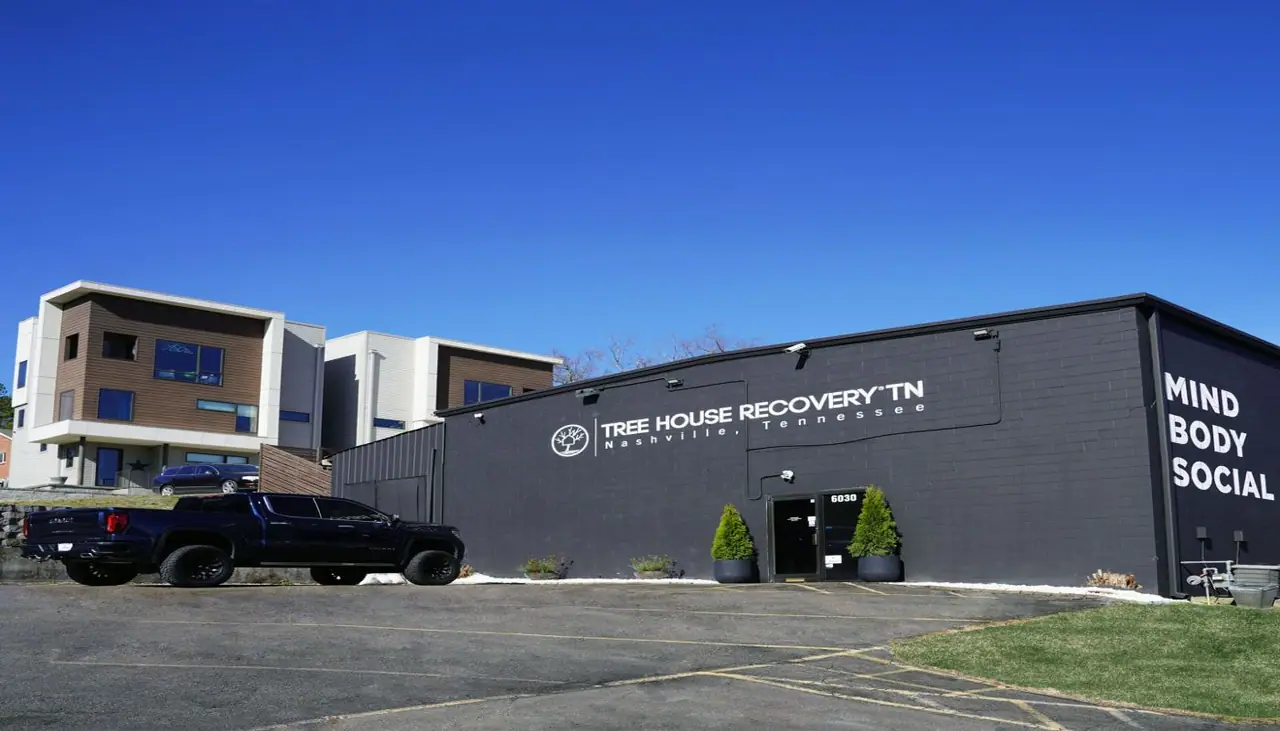
Tree House Recovery TN Nashville is an outpatient center for substance use along with co-occurring mental health.

Questions people ask
How long is the program at Cornerstone of Recovery Louisville?
The center's listing states that most programs last around 90 days. That timeframe allows for medically overseen detox, residential care, and the first stages of recovery. More or less time may be required based on a person's health, withdrawal risk, and co-occurring conditions. Ask the center how it decides on how long someone stays, and whether outpatient care can follow.
Does Cornerstone of Recovery Louisville accept insurance or Medicaid?
Cash pay rates are listed in the available information, but it doesn't say which insurance plans or Medicaid the center takes. Since coverage differs from plan to plan, call the center directly with questions about your policy and what you can expect to pay. The helpline can also check coverage and availability for you at no cost, and nothing about the call requires you to enter treatment.
What levels of care does Cornerstone of Recovery Louisville offer?
The center lists detox, outpatient services, and mental health care alongside substance use treatment, plus a residential program. With that range of options, someone could start with medically supervised withdrawal and step down to outpatient care later. The right level depends on withdrawal risk, home situation, and how much structure is needed. A clinician can help determine which level fits.
Is Cornerstone of Recovery Louisville accredited?
Yes. The Joint Commission, a national body that accredits health care organizations, has accredited the center. When weighing programs, accreditation is one thing to look at, alongside licensing, staff qualifications and the services provided. You can confirm accreditation through the Joint Commission, and ask the center about its latest survey.
What should I ask about detox at Cornerstone of Recovery Louisville?
Ask who oversees someone during withdrawal and how quickly a clinician can respond if symptoms worsen. Stopping alcohol and benzodiazepines can be risky so clinical supervision should guide the process for safety. Detox is one of the center's care options, though staffing details are not provided. During your call, ask about monitoring, how medications are managed, and how detox transitions into residential care.