Compass Intervention Center Memphis
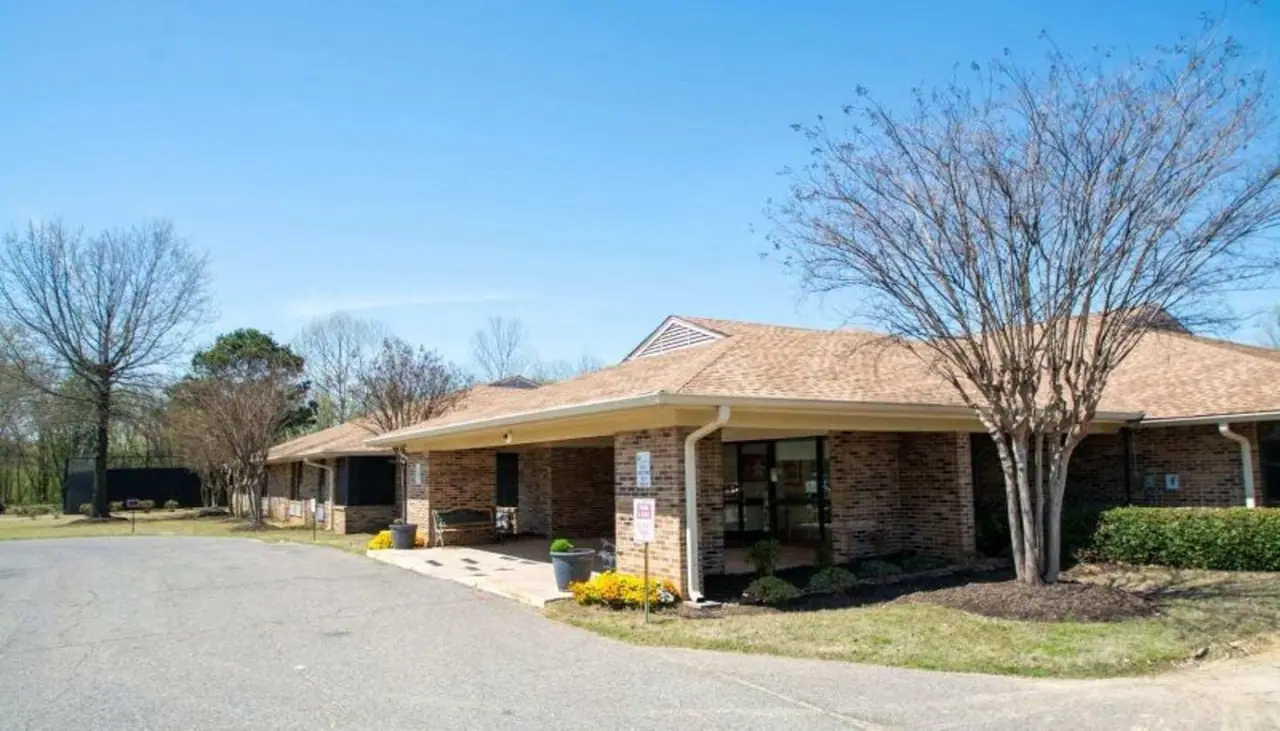
Compass Intervention Center Memphis serves children and teens in Tennessee. The Memphis rehab appears among 325 SAMHSA-listed facilities statewide. Programs usually run 30 days or longer, so early planning helps.
- Joint Commission
- Outpatient
- 30+ days
Compass Intervention Center Memphis is a Memphis treatment center organized around young people, and its services are designed for children and teens rather than adults. Clinical work rests on evidence-based methods, and staff combine those methods with counseling that families join, so home life receives attention alongside the child's own sessions. Care is individualized, and the approach is trauma informed and explicitly non 12 Step. Families comparing rehabs and drug treatment programs across Tennessee can ask how a center involves parents from the first week. The center is also accredited through the Joint Commission, which gives families a way to check a program's standing before they commit. If a family has not verified accreditation, then a single phone call to the center can confirm what a listing alone does not show.
Often a family gets here because a teacher, a doctor or someone close to them voiced worry about a young person. Compass provides organized outpatient services alongside a therapeutic school on the same grounds, letting a teen's week include clinical sessions and schoolwork together rather than forcing a choice between them. When a teenager needs mental health care and school at once, then an on-site therapeutic classroom can keep academic work moving. Schooling counts as a genuine piece of what this center offers. Compass Academy holds a license as a therapeutic school, its special education teachers are certified, and it works with individualized education plans so a student keeps up with studies while receiving care. Class sizes remain small, usually no more than 13 students, and enrollees can take standard academic subjects as well as prep for standardized tests.
Parents often want to know how the pieces fit together before they tour. The clinical side handles diagnosis and therapy; the school handles academics; family sessions handle what happens at home. If a child's needs change during treatment, then the plan can shift between levels of care rather than ending abruptly, which is one reason the center also runs lighter outpatient options alongside its residential services.
Compass Intervention Center Memphis
The level of care recorded for Compass Intervention Center Memphis is outpatient, and this listing describes day treatment as the setting, so parents should check with the center about which level of care actually suits their child, because a residential stay and a partial hospitalization program place very different demands on a household. The center additionally offers a partial hospitalization program together with an intensive outpatient program provided via telehealth, which can matter to a family living outside Memphis. Telehealth and outpatient care allow some Tennessee families to keep up treatment without relocating near a center. Therapy choices include cognitive behavioral therapy, individual counseling plus group therapy plus family therapy plus art therapy, canine therapy, recreation therapy and psychoeducation. Clinicians also serve children and teens coping with a mental health condition together with substance use, and co-occurring disorders are handled within a single plan instead of as a separate issue.
The substances named in this listing include alcohol, benzodiazepines, cocaine, ecstasy, heroin, marijuana and psychedelics, alongside co-occurring disorders. If a young person has been drinking heavily or using benzodiazepines daily, a clinician should assess them first, because withdrawal from either can be dangerous and needs medical oversight rather than a family managing it at home. Trauma informed care and a non 12 Step orientation shape how groups and counseling are run, and the evidence-based label means the methods used have research behind them, though no program can promise a particular result.
- Evidence-Based
- 1-on-1 Counseling
- Recreation Therapy
- Group Therapy
- Psychoeducation
- Family Therapy
- Trauma Informed
- Canine Therapy
- Cognitive Behavioral Therapy
- Art Therapy
Who this Memphis program is built for
- Children and adolescents, generally between the ages of 10 and 17
- Young people with depression, anxiety, bipolar disorder or trauma-related conditions
- Teens and children with post traumatic stress disorder
- Teens addressing alcohol or drug use together with a mental health diagnosis
- Families seeking a non 12 Step, trauma informed program for a child
Venue and schedule specifics in Memphis
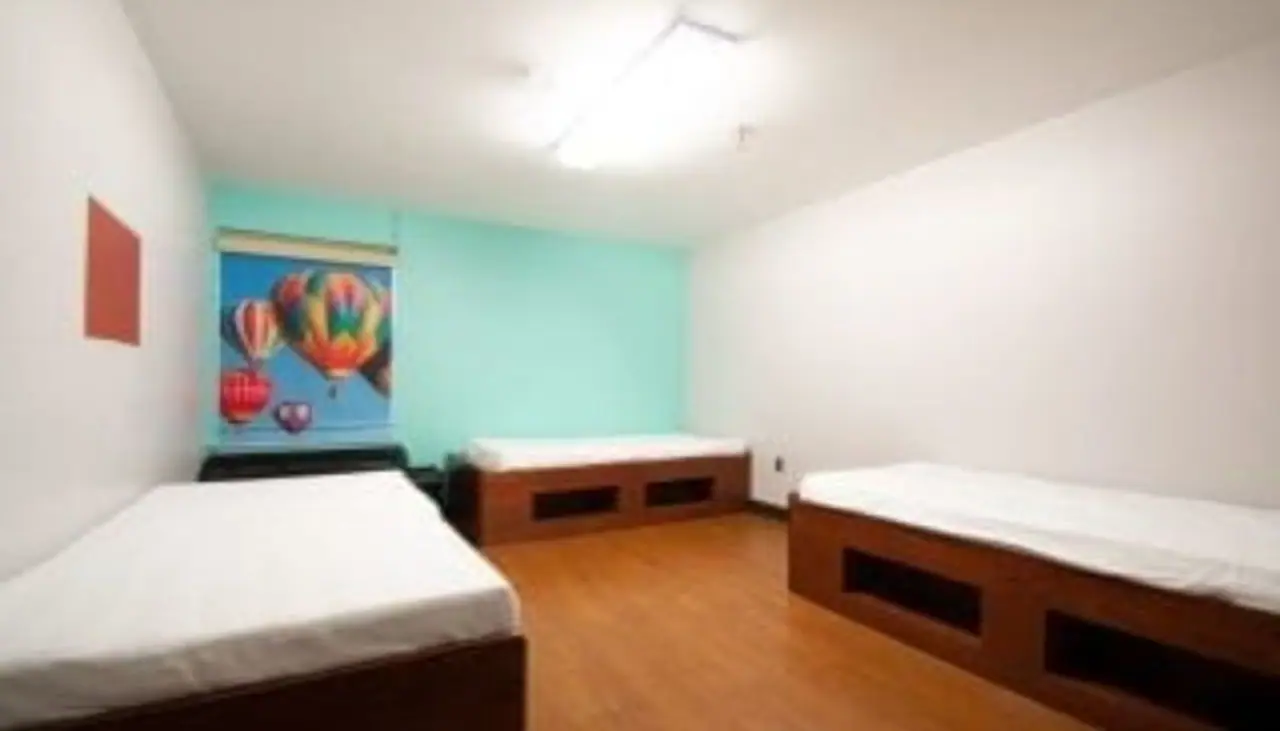
Compass Intervention Center Memphis reports a typical stay of 30 days or longer, and length is set by clinical need rather than a fixed package, so a family should expect the plan to be reviewed as treatment goes. Rooms are shared and air conditioned, and the grounds include access to nature. Services are offered in English. If a child needs a longer course of care, the treatment team can extend the plan, and families should ask how often that review happens. Because the school runs alongside therapy, a student's day usually mixes classroom time with counseling and recreation rather than separating them.
Paying for care at Compass
This listing does not publish costs, so questions about payment belong with the center itself. What insurance covers depends on the plan and on the level of care, and verifying benefits by phone ahead of admission avoids unwelcome surprises. For a family intending to rely on insurance, finding out which levels of care a plan pays for, and for how long, shapes what is realistic. Some services for children may be covered under Tennessee's Medicaid program, but eligibility rules determine that, so ask the center which plans it accepts instead of assuming. Our helpline links callers with licensed treatment providers at no charge, and the conversation remains private; whoever calls decides what comes next.
Questions worth posing before admission
- Which level of care does my child qualify for, and how is that decision made?
- How is a usual week structured across therapy, school and recreation?
- How is Compass Academy's classroom work coordinated with my child's existing IEP?
- How does the program involve parents, and how often do family sessions happen?
- What does my insurance plan cover at this center, and what would we owe out of pocket?
- How quickly can a child be assessed, and what happens if a bed is not open?


More programs around Memphis
-

Average stay duration 30+ days31-50 bedsMemphis, TN
- Joint Commission
- Detox
- Co-Occurring Mental Health
The Oaks at Lakeside Memphis is a Joint Commission-accredited center in East Memphis.
-
Average stay duration 30 daysMemphis, TN
- Co-Occurring Mental Health
- Residential Rehab
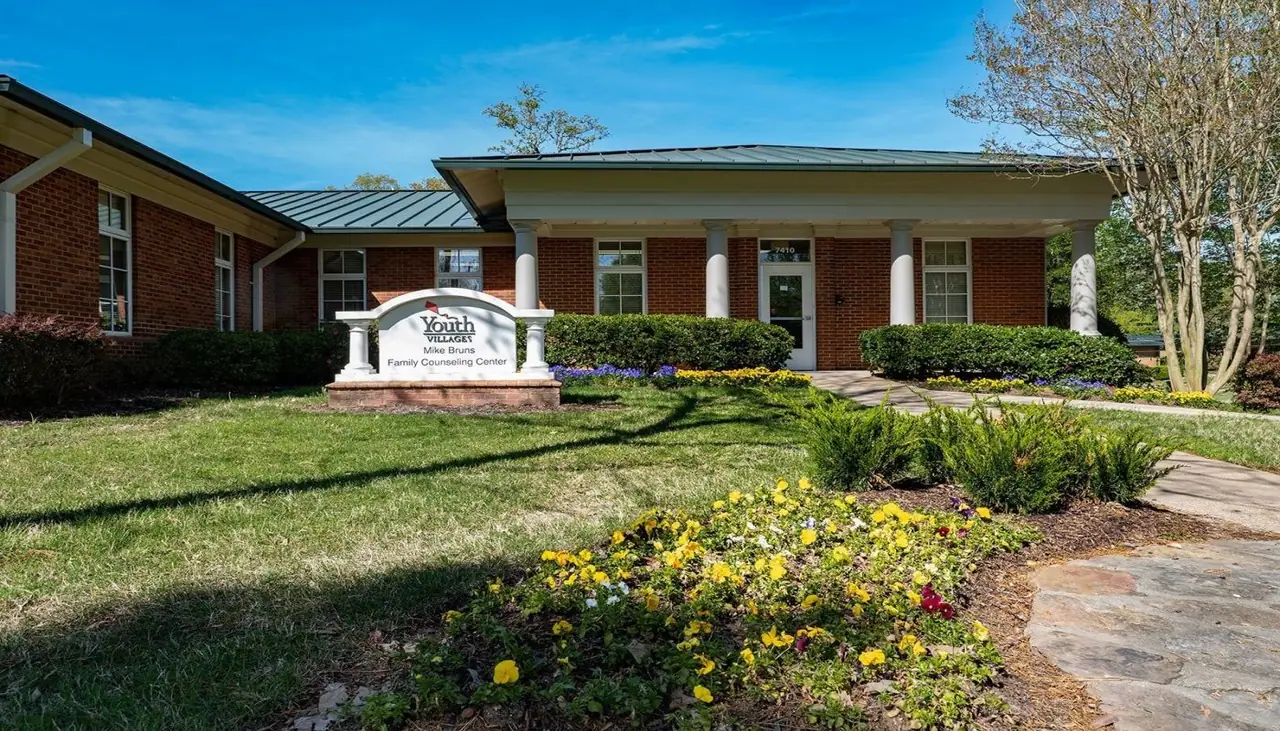
Youth Villages Memphis serves young people at a Bartlett campus with residential care.
-
BHG Memphis South Treatment Center
4.3/543 Google reviews
Average stay duration 30 daysMemphis, TN
- Joint Commission
- Co-Occurring Mental Health
- Outpatient
BHG Memphis South Treatment Center Memphis provides outpatient care to people with substance use disorders.
-

Delta Specialty Hospital
4.8/534 Google reviews
Memphis, TN
- Joint Commission
- Detox
- Co-Occurring Mental Health
Delta Specialty Hospital is a Joint Commission-accredited hospital in Memphis.
-

Average stay duration 28 daysMemphis, TN
- Joint Commission
- Detox
- Residential Rehab
Crestwyn Behavioral Health, located in Memphis, is accredited by the Joint Commission.
-
Memphis Recovery Centers
4.0/542 Google reviews
Average stay duration 30 daysMemphis, TN
- Co-Occurring Mental Health
- Residential Rehab
- Outpatient
Memphis Recovery Centers in Memphis is a nonprofit option for people dealing with substance use and co-occurring conditions.
Questions people ask
What is Compass Intervention Center Memphis known for?
Compass Intervention Center Memphis focuses on children and adolescents, generally ages 10 to 17, and it lists outpatient care plus a therapeutic school on site. Therapy draws on cognitive behavioral therapy, family therapy, art therapy, canine therapy and recreation therapy. The center holds Joint Commission accreditation and describes its approach as evidence based, trauma informed and non 12 Step.
How long do people stay at Compass Intervention Center Memphis?
According to Compass Intervention Center Memphis, programs usually last 30 days or more, and the real length depends on the young person's clinical needs and gets reviewed as treatment progresses. Since the center also provides a partial hospitalization program together with an intensive outpatient program via telehealth, some families move to a lighter schedule instead of stopping care all at once. Ask what plan the center expects for your child.
Does Compass Intervention Center Memphis treat substance use?
Yes. The center addresses alcohol, benzodiazepines, cocaine, ecstasy, heroin, marijuana and psychedelics, and it treats co-occurring disorders—a substance use condition together with a mental health diagnosis. If a young person drinks heavily or uses benzodiazepines, a clinician should evaluate them first, since withdrawal from either can be medically dangerous and requires professional oversight, not a family handling it at home. No program can guarantee any specific result.
Is Compass Intervention Center Memphis a residential rehab center?
Listings describe Compass Intervention Center Memphis as offering both residential and outpatient care to children and teens, though the services spelled out in this entry lean toward outpatient care, including an intensive outpatient program as well as a partial hospitalization program. Before making plans that depend on a residential bed, families should call the center directly to check what it currently offers. It is one among the 325 facilities that SAMHSA lists in Tennessee.
Do I need a referral to get an assessment in Memphis?
No referral is described in this listing, so a parent can call Compass Intervention Center Memphis directly and ask about an assessment. If a school counselor or pediatrician already raised the concern, then bringing their notes and any prior evaluations to that call makes the screening more useful. The listing does not state wait times, so ask how soon an assessment can happen and what the center needs from you beforehand.